




At AME System, two issues consistently arise when customers approach us for redesigns or post-installation changes.
1. Over-engineering the structure
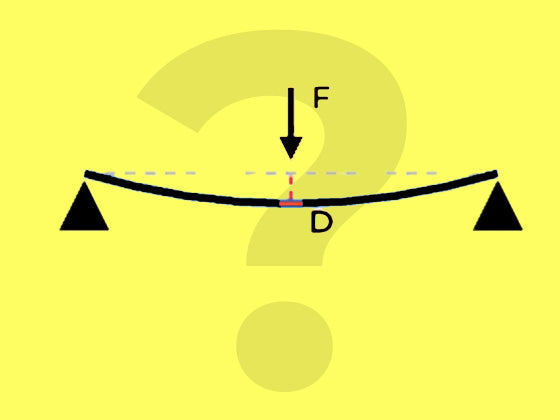
A frequent misconception is that selecting the largest or strongest aluminium profile automatically delivers better performance. In reality, oversized profiles often increase material cost, assembly time, and overall system weight — without providing meaningful functional benefit.
Effective design begins with:
-
Realistic load calculations
-
Required rigidity based on application
-
Future adjustment needs rather than assumed worst-case scenarios
Appropriate profile selection results in a more efficient, economical, and adaptable system.
2. Ignoring reach distances and operator ergonomics
Ergonomic considerations are often addressed too late — after a frame has already been built and accessories added. Poor placement of keyboards, monitors, phones, and tools increases reach distances, causes unnecessary movement, and reduces productivity.
The result is:
-
Time and motion loss
-
Operator fatigue
-
Reduced task efficiency
-
Costly retrofitting to correct layout issues
Designing around operator interaction from the outset ensures the workstation supports the task, not the other way around.
Scope clarity matters
To deliver consistent value, AME System focuses on what we do best: designing and manufacturing industrial workstations and production trolleys for commercial and operational environments.
We do not offer custom design services or consulting for non-industrial projects, including personal builds or vehicle modifications. Clear project scope allows us to allocate engineering and design resources where they deliver genuine return — for both our customers and our business.
Designing smarter from the start
Successful modular systems balance structural requirements, ergonomics, and long-term adaptability. Avoiding over-engineering and addressing reach and movement early reduces rework, improves performance, and delivers better outcomes across the system’s lifespan.
👉 View AME System modular workstation solutions
👉 Contact our team to discuss an industrial project before you build
