


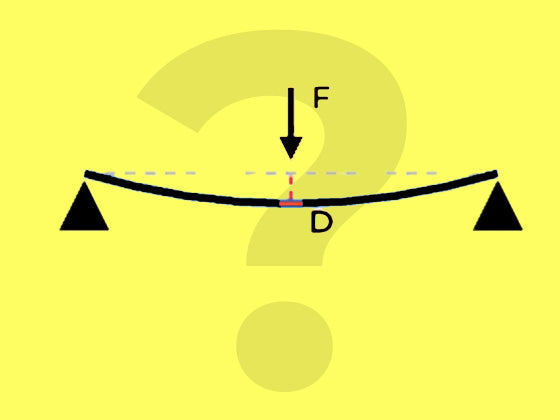


What Causes Frame Flex?
Frame flex occurs when a structure cannot adequately resist movement under load. This movement may appear as:
- side-to-side sway
- twisting
- vibration
- sagging
- movement during operation
- instability while moving equipment
In aluminium extrusion systems, flex usually results from:
- undersized profiles
- insufficient cross bracing
- unsupported spans
- weak connection methods
- poor load placement
- excessive cantilevering
The larger the structure, the more important rigidity becomes.
Start with the Correct Profile Size
One of the most common mistakes is selecting profiles based only on appearance or cost instead of structural requirements.
Larger profiles provide:
- greater moment resistance
- improved torsional rigidity
- reduced deflection under load
For example:
- lightweight benches may suit smaller 30 Series profiles
- heavy-duty workstations or machine frames often require 40 Series or larger
Long unsupported spans should also be avoided wherever possible.
As span length increases, deflection increases significantly.
AME System stocks 30 Series and 40 Series T-slot aluminium profiles, supplied in a, anodised finish. Both series use a 10 mm slot width, enabling the integration of fasteners, panels, and accessories directly into the profile structure. Find our more here
Add Cross Bracing
Cross bracing is one of the most effective ways to reduce movement in aluminium structures.
Without bracing, rectangular frames can deform under lateral load.
Adding:
- diagonal braces
- rear panel bracing
- triangulated supports
- corner gussets
helps distribute forces more effectively throughout the structure.
Common applications include:
- mobile trolleys
- tall workstation frames
- machine guarding
- conveyor supports
- automation cells
Even a single diagonal brace can dramatically improve rigidity.

Reinforce Connection Points
The strength of the frame depends heavily on the connection method used.
Weak joints allow movement to develop over time, particularly in high-vibration or frequently adjusted environments.
To improve joint rigidity:
- use heavy-duty fasteners where required
- incorporate joining plates
- add internal connectors
- use corner brackets or gussets
- ensure fasteners are properly torqued
See AME System fasteners here. Watch assembly animations on YouTube channel.
Connection quality becomes especially important in:
- mobile systems
- dynamic loads
- industrial workstations
- automation equipment
Reduce Unsupported Spans
Long horizontal spans are a major contributor to sagging and flex.
Where possible:
- add intermediate supports
- introduce additional legs
- reduce span length
- increase profile section size
This is particularly important for:
- shelving systems
- long workbenches
- conveyor structures
- monitor support arms
- overhead equipment mounting
Load placement should also be considered carefully.
Concentrated loads placed at the centre of a span create significantly more deflection than evenly distributed loads.
Consider Dynamic Loads
Many structures appear stable when static but flex during operation.
Dynamic loads may come from:
- operator interaction
- moving equipment
- vibration
- repetitive motion
- mounted machinery
- castor movement
A workstation supporting monitors may behave very differently once operators begin using adjustable arms or mounted equipment.
Similarly, mobile trolleys often require additional reinforcement to remain stable while moving over uneven surfaces.
Designing only for static load capacity can lead to underperforming systems.
Use Proper Base Support
A stable base is critical for overall rigidity.
Issues often occur when:
- castors are undersized
- levelling feet are poorly positioned (watch how to instal the feet on YouTube. We also have feet with mounting holes available for direct floor attachment)
- base frames are too narrow
- tall structures have insufficient footprint width
For taller systems, maintaining an appropriate height-to-width ratio is essential.
A narrow frame with significant height is far more susceptible to sway and torsional movement.
Plan for Future Modifications
One of the advantages of modular aluminium profile systems is adaptability. However, additional accessories, mounted equipment, or future expansions can introduce new loads into the structure.
Designing with spare capacity helps maintain rigidity over time.
Consider future additions such as:
- monitor arms
- shelving
- lighting i.e Workstation Overhead Light Unit
- cable management i.e - Slotted Cable Trunk PVC Duct 40x40
- tooling
- automation equipment
Building flexibility into the initial design reduces the need for structural rework later.
Testing Matters
Even well-designed systems benefit from practical testing before full deployment.
Testing should assess:
- movement under load
- vibration response
- operator interaction
- mobility performance
- stability during adjustment
Small design changes made early can significantly improve long-term performance and operator confidence.
Designing for Long-Term Stability
Preventing frame flex is not about overbuilding every structure. It is about understanding how loads move through a system and selecting the correct combination of:
- profile size
- bracing
- fastening methods
- span management
- support placement
Well-designed aluminium profile structures provide:
- improved durability
- better ergonomics
- safer operation
- greater equipment protection
- improved user confidence
For industrial applications where reliability and adaptability matter, modular aluminium framing systems offer a strong balance between flexibility and structural performance.
To learn more about modular framing systems, ergonomic workstations, and industrial aluminium profile solutions, sign up to our Newsletter visit our Facebook page, subscribe to our YouTube channel or follow us on Instagram
